
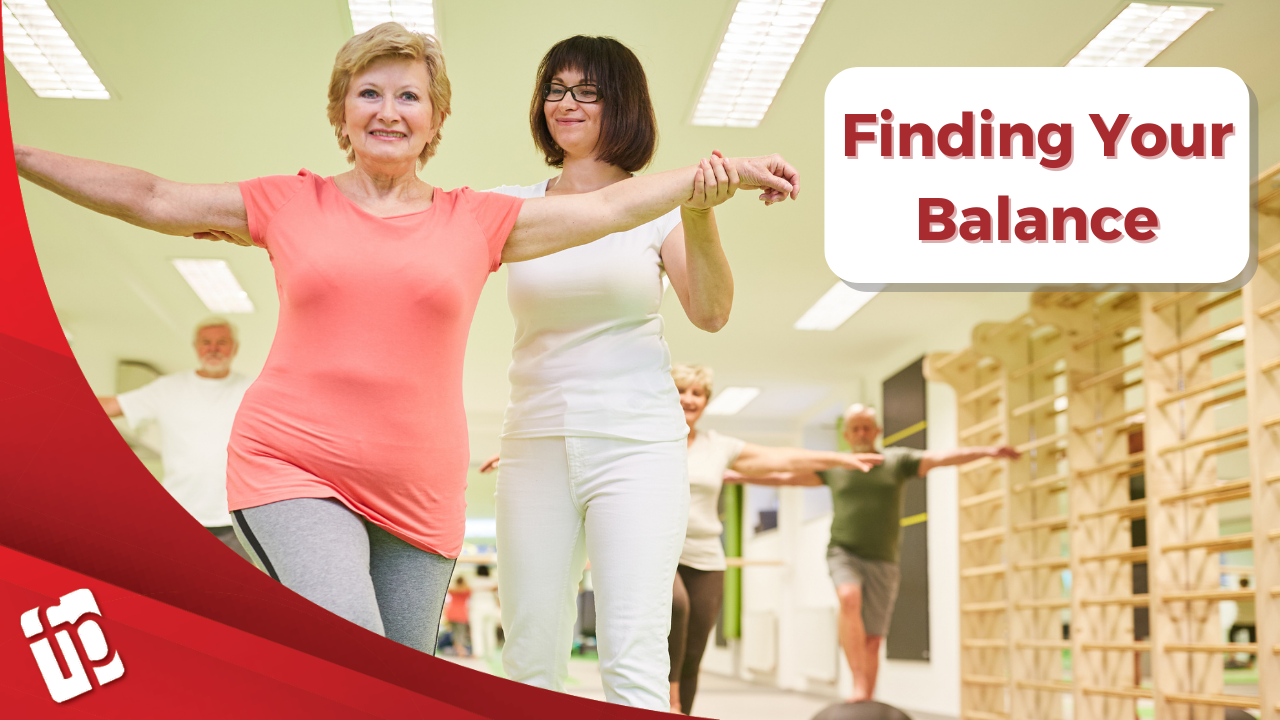
The number of falls continues to rise in the aging population, and some of these falls have serious consequences. The risk of falling is connected to balance, posture, gait, and frailty. We know residents (like all of us), value their independence, so it can sometimes be a struggle to balance safety and autonomy.
How can you decrease fall risk and promote independence?
- Incorporate exercise into the daily routine: Try adding just twenty minutes of progressive strengthening and balance activity into the daily routine. Consider adding a balance and strength class at least 2-3 times per week for your residents.
- Mind medications: There are many medications that can impact a person’s risk of a fall. Make sure you are aware of what medications residents may be taking and how it could impact their balance. For example, sleeping pills and sedatives can cause dizziness, while hypertension medications can cause postural hypotension.
- Modify environment: Look at ways to make living environments as safe as possible. Eliminate area rugs, reduce clutter, ensure clear paths to the restroom, install grab bars, and ensure furniture will not topple over if used to hold on to. These modifications can be made in common areas, but more importantly, they should be done in the residents’ rooms.
- Use proper lighting: Falls commonly occur in the middle of the night when someone gets up to use the restroom and falls because it is dark, and they cannot see properly. An easy solution is to Illuminate the path to the restroom. This can be done with nightlights, toilet lights, or even motion sensored lights.
- Select footwear: Proper footwear is essential in fall prevention. Shoes with a back on them, like tennis shoes, and shoes or socks with tread on them are recommended. Avoid shoes that you slip into, like clogs or slides, and make sure the shoe fits properly.
- Offer a Tai Chi class: If possible, consider offering a Tai Chi class two to three times per week. Tai Chi emphasizes weight shifting, postural alignment, and coordinated movements with synchronized breathing.
Functional Pathways’ Wellness Program and Skilled Therapy services have trained professionals and programs designed for helping communities reduce falls while maintaining residents’ highest level of independence. Remember: it’s all a balancing act!