
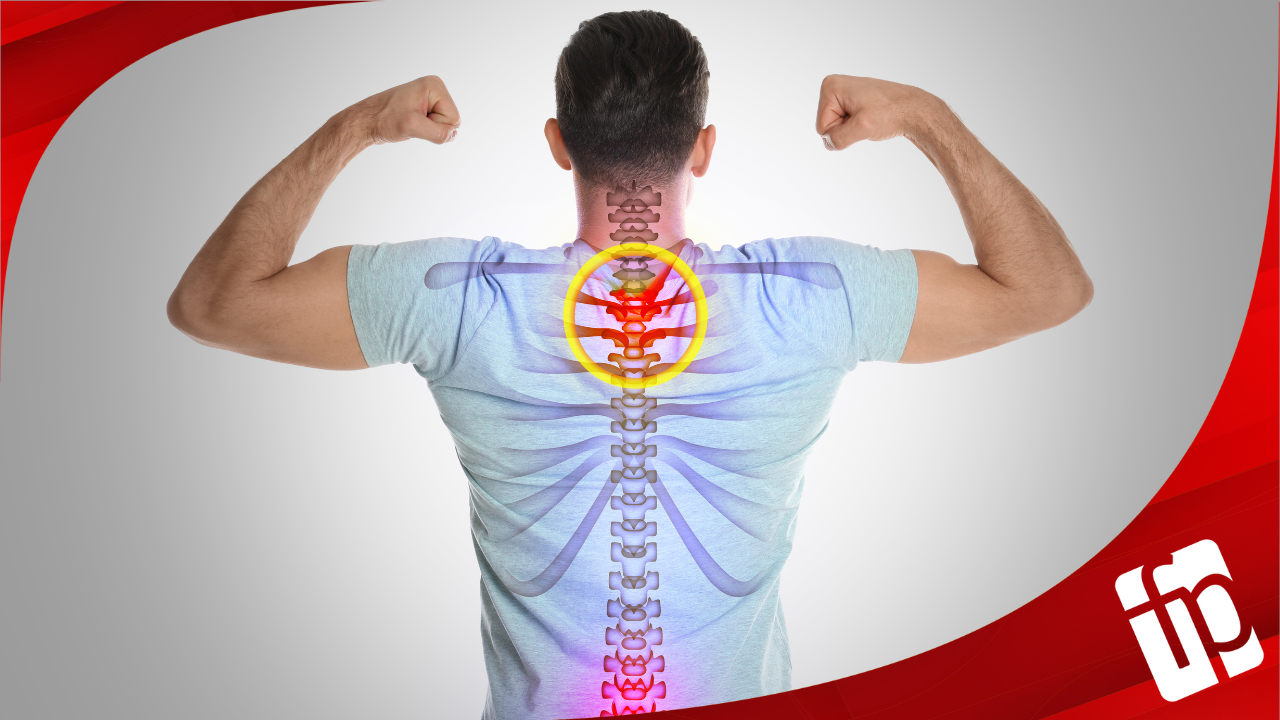
Your health is your greatest asset. It’s important that we are at our best so we can share and serve others.
Did you know that using the proper body mechanics during movement can prevent posture problems, as well as reduce stress and enhance your physical capabilities? We often train our patients/clients on accurate body mechanics, but are you taking the time to train yourself?
Dynamic and static posture are important and critical to safely maintain proper alignment during daily tasks. Dynamic posture impacts how you hold yourself while moving (i.e. walking, running, or bending to pick something up) where static posture influences your core stability when you are not moving.
Being in proper alignment impacts your head, neck, back and pelvis, and your postural control; ideally your spine and hips create the framework to support your movements. Incorrect posture often stems from misalignments in the skeletal system or weakness in the stabilizing muscles. With time, improper posture may cause the muscles to shorten on one side of your body while allowing stretching of the muscle and causing them to become longer on the opposite side. Improper posture affects your joints, ligaments, and muscles and can lead to back and neck pain.
Workplace incidents related to poor body mechanics can be minimized or avoided. Reduce the risk of musculoskeletal injuries by focusing on healthy postural habits during the day and by continuing to invest in your own wellness. The use of proper body mechanics, stretching, and strengthening exercises can correct the relationship of those joints, ligaments, and muscles while enhancing proper posture.
Here are some tips on how to maintain that proper positioning.
When you are standing:
- Stand up straight and tall.
- Keep your feet flat on the floor and shoulder width apart.
- Do not lock your knees.
- Keep your shoulders down, with your chest out and your back straight.
- Pull in your stomach muscles.
- Place your weight mostly on the balls of your feet.
- Keep your head level and arms down at your sides.
When you are lifting, pushing, or pulling:
- Stand with your feet shoulder width apart and have one foot a slightly in front of the other.
- Always keep your back straight.
- Hinge from your hips and knees with your back flat.
- Never bend at your waist.
- While tightening your stomach muscles, lift using only your legs.
- Hold the object close to you at waist level.
- Push objects rather than pull them to avoid further complications.
When you are sitting:
- Sit with your hips touching the back of the chair.
- Keep your back straight, shoulders back, and use extra support behind your lower back.
- Distribute your weight evenly for both your hips and knees.
- Keep your feet flat on the floor with your ankles in front of your knees and do not cross your legs.
- Relax your shoulders and do not allow them to round.
- Keep your elbows close to your body.
- Avoid sitting on soft chairs or couches.
- Change your position often, at least every 30 minutes.
- Adjust your computer screen so the top of the monitor is at eye level.
- If reading paper copies hold them at the same level as your computer screen.
- When looking at your phone, it is important to keep the phone at eye level while not lifting your shoulders because that causes slouching or looking in a downward direction.
Ways to improve your posture:
- Always be mindful of your posture, especially where you are in relation to the object you are viewing. Always keep the object you are viewing at eye level.
- Stay as active as possible. If you are not a fan of strenuous exercise, consider yoga or tai chi. Focus on strengthening your core muscles.
- Maintain a healthy weight. Excess weight can weaken your core muscles.
- Ensure that workstations are at a comfortable height.
- Wear proper shoes with low heels, closed backs, and nonslip soles.
- Always ask for help or use a mechanical device to decrease your risk of injury.
- When sitting for long periods of time, change your position often and consider taking short walks.
Maintaining proper body positioning and mechanics when standing, sitting, or engaged in activities can lead to better health not just in the short term, but as we age. We focus on teaching our seniors how best to hold their bodies, but if we implement that same vigilance with ourselves at younger ages, we can possibly prevent issues down the line.