
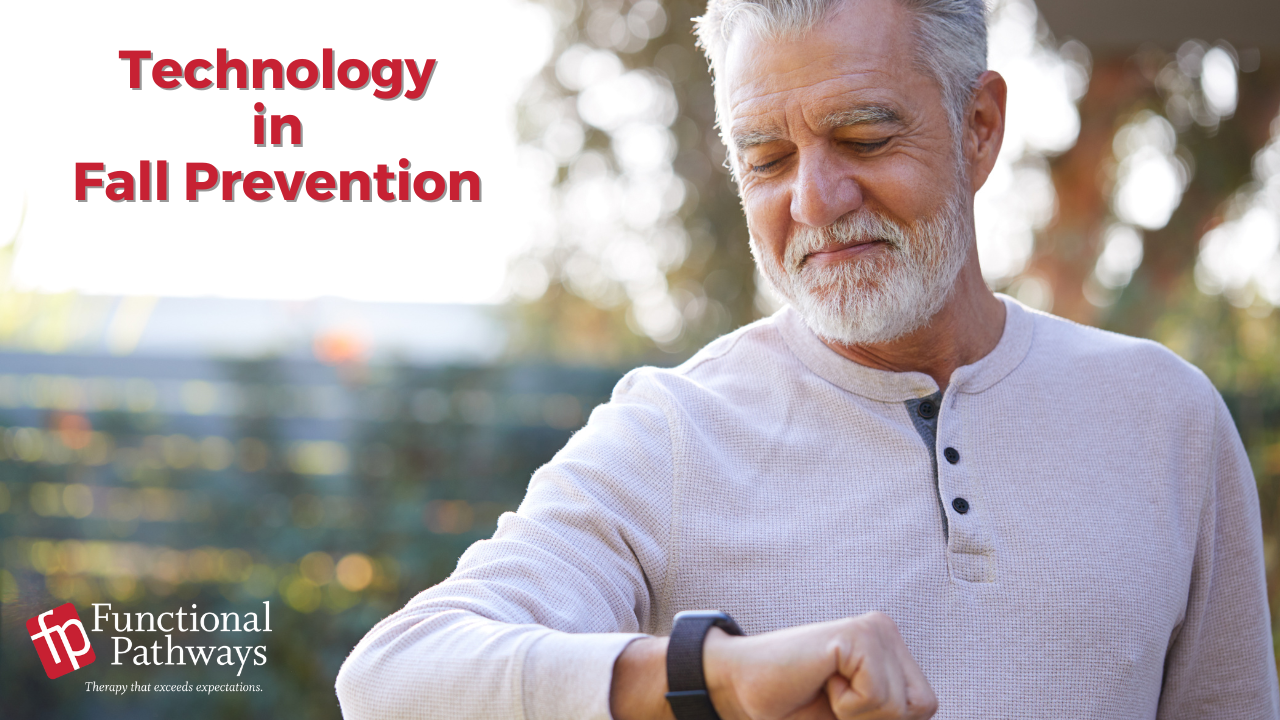
Fall prevention is always on our radar as healthcare providers. We know the etiology of falls is complex. Did you know that technology is now available as another valuable part of our toolbox?
Artificial Intelligence is now a component of our post-acute world. Information can be pulled into a single system for analytics. Using research data, algorithms can identify trends in a resident’s health data. Use of predictive analytics can be used to identify changes which increase the risk of a fall. Three main systems are available to support this initiative:
Wearables – The original call pendant was only the starting point for wearables. New adaptations include smart watches designed for older adults, GPS trackers, AI-enabled hearing aides, and even socks! Now designed to meet the needs of chronic disease management, these devices can track not only steps and heart rate, but they can also monitor blood pressure, O2 levels, respiratory rate, medication reminders, and monitor sleep. The ability to detect nuances in baseline can alert the individual or caregiver of a potential change in medical condition which could increase the likelihood of a fall.
Smart Homes – A smart home can do everything from reminding you to take medication to sending medical help to your home with a voice command. An alert can also trigger automatic unlocking of doors so that emergency personnel can enter the home. In addition, if family members receive an alert, they can check on the senior with remote viewing. Seniors love smart lighting and HVAC systems. They can enjoy the convenience of automatic lighting and temperature regulation. Voice commands make it easy for them to turn on or off all the lights and adjust the thermostat.
Healthcare Settings – Research is now supporting the impact of technology on falls. Use of cameras, 3D motion detectors, and heat or radio waves are just a few of the sensors available to provide proactive health alerts, fall detection, and response time. HIPPA compliant methodology uses AI to create a true collaborative effort to ensure patient safety. Many vendors have videos on their websites which demonstrate their versatility.
Current and potential residents will be looking at communities which meet their technology preferences. Perhaps it’s time to look at your short and long-term goals and learn how these innovative products can keep clients engaged and connected.
Discharge planning in the future may include teaching our residents the role technology can play in their lives. If interested, the Functional Pathways Client Portal has a presentation which may be helpful as you begin this journey.